
Manlift Guide for Optimal Performance
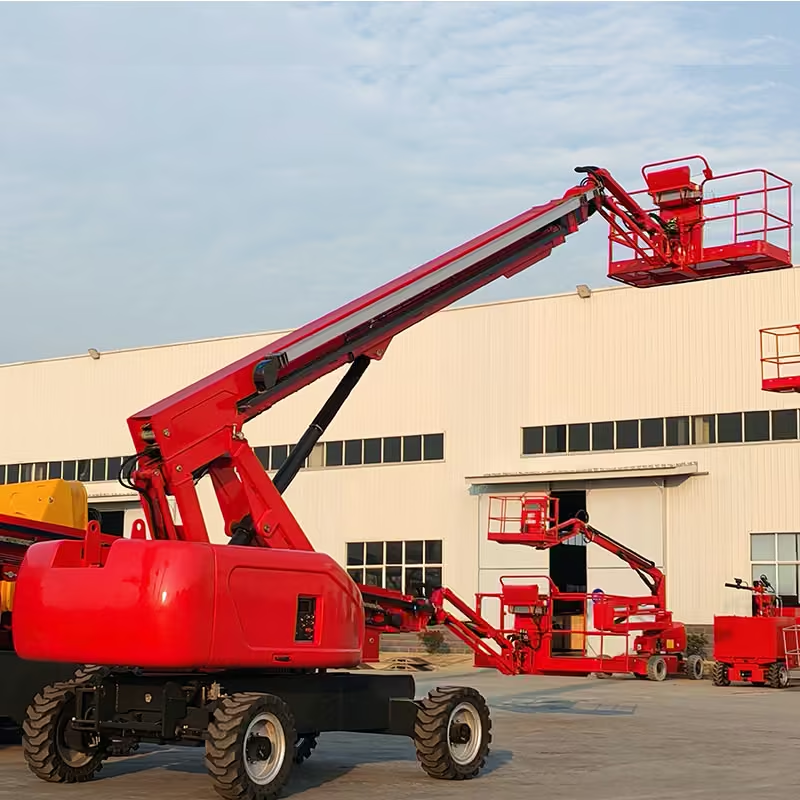
Manlift, also known as aerial work platforms (AWPs), are indispensable tools across a wide range of industries, providing safe and efficient access to elevated work areas. From construction and maintenance to warehousing and event management, manlifts play a crucial role in enhancing productivity and ensuring worker safety. This comprehensive guide delves into the various types of manlifts, their applications, safety considerations, maintenance tips, and the latest advancements in the industry.
Understanding Manlifts: A Versatile Solution for Elevated Work
Manlifts are mechanical devices designed to lift personnel and equipment to heights, enabling them to perform tasks in areas that would otherwise be difficult or dangerous to reach. They come in various shapes and sizes, each tailored to specific applications and work environments. The versatility of manlifts makes them an essential asset for numerous industries, including:
- Construction: Manlifts are widely used in construction for tasks such as painting, roofing, electrical work, and installing HVAC systems.
- Maintenance: They are crucial for maintaining buildings, bridges, and other infrastructure, allowing workers to access hard-to-reach areas for repairs and inspections.
- Warehousing: Manlifts are essential in warehouses for order picking, inventory management, and maintenance of racking systems.
- Event Management: They are used for setting up lighting, sound systems, and decorations for events, ensuring safe and efficient installation.
- Utilities: Manlifts are employed for maintaining power lines, telecommunications infrastructure, and other utility systems.
Types of Manlifts: Choosing the Right Equipment for Your Needs
The diverse range of manlift types caters to various work environments and specific tasks. Here are some of the most common types:
Boom Lifts:
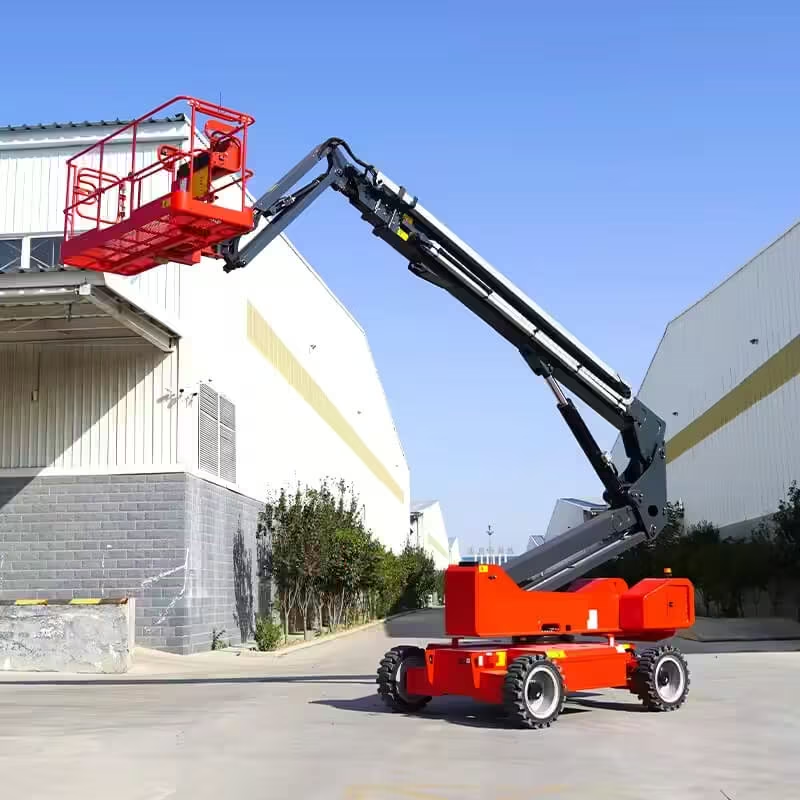
These are characterized by their extendable boom, which can reach significant heights and provide horizontal reach. Boom lifts are ideal for tasks requiring access over obstacles or in confined spaces. There are two main types of boom lifts:
Diesel telescopic Boom Lifts (Stick Booms):
These lifts have a straight boom that extends telescopically, providing maximum reach and stability.Capacity: 230-480kg
Platform Height: 14~61m
Working Radius: 16~63m
Power Source: Diesel Engine
Electric telescopic Boom Lifts (Stick Booms):
These lifts have a straight boom that extends telescopically, providing maximum reach and stability.Capacity: 230-480kg
Platform Height: 19.6~26.6m
Working Radius: 21.6~28.6m
Power Source: Battery
Diesel Articulating Boom Lifts (Knuckle Booms): These lifts have multiple hinged sections in the boom, allowing for greater flexibility and maneuverability in tight spaces. Capacity: 230~480kg
Platform height: 14.7~45.5m
Working radius: 16.7~47.5m
Power source: Diesel engine
Reference Price Range: $39510 – 83590
Electric Articulating Boom Lifts (Knuckle Booms):
These lifts have multiple hinged sections in the boom, allowing for greater flexibility and maneuverability in tight spaces.Capacity: 230~480kg
Platform height: 10~26m
Working radius: 12~28m
Power source: Battery
Scissor Lifts:
These lifts use a scissor-like mechanism to raise the platform vertically. Scissor lifts are ideal for tasks requiring a stable work platform at a fixed height. They are commonly used for indoor applications or on even surfaces.
Personnel Lifts :
These are small, manually propelled lifts designed for single-person use. They are ideal for light-duty tasks in confined spaces.
Vertical Mast Lifts:
These lifts have a vertical mast that raises the platform. They are compact and maneuverable, making them suitable for indoor applications and tight spaces.
Spider Lifts (Tracked Boom Lifts):
These lifts are mounted on tracks, providing excellent traction and stability on uneven terrain. They are often used for outdoor applications in challenging environments.
Key Features to Consider When Choosing a Manlift:
Selecting the right manlift for your specific needs is crucial for safety and efficiency. Consider the following key features:
- Working Height: This is the maximum height the platform can reach.
- Horizontal Reach: This is the maximum horizontal distance the platform can extend.
- Lift Capacity: This is the maximum weight the platform can safely carry.
- Platform Size: This determines the amount of workspace available on the platform.
- Power Source: Manlifts can be powered by electricity, gasoline, diesel, or propane.
- Terrain: Consider the type of terrain the manlift will be used on.
- Maneuverability: Consider the space available for maneuvering the manlift.
Safety First: Operating Manlifts Responsibly
Operating manlifts safely is paramount to preventing accidents and injuries. Here are some essential safety guidelines:
- Training and Certification: All operators must be properly trained and certified to operate the specific type of manlift they will be using.
- Pre-Operation Inspections: Conduct thorough pre-operation inspections to ensure the manlift is in good working condition.
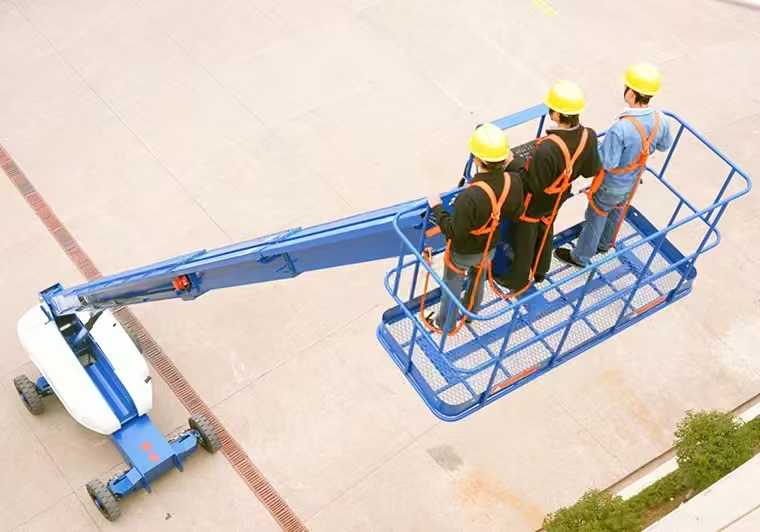
- Personal Protective Equipment (PPE): Operators must wear appropriate PPE, including hard hats, safety harnesses, and safety shoes.
- Work Area Inspection: Inspect the work area for hazards such as overhead obstructions, uneven surfaces, and power lines.
- Safe Operating Procedures: Follow safe operating procedures, including maintaining a safe distance from hazards and avoiding overloading the platform.
- Emergency Procedures: Be familiar with emergency procedures in case of equipment malfunction or other incidents.
Maintenance and Inspection: Keeping Your Manlift in Top Condition
Regular maintenance and inspection are essential for ensuring the safe and reliable operation of manlifts. Here are some key maintenance tips:
- Regular Inspections: Conduct regular inspections according to the manufacturer’s recommendations.
- Lubrication: Lubricate moving parts regularly to prevent wear and tear.
- Battery Maintenance: Maintain batteries properly to ensure optimal performance.
- Hydraulic System Maintenance: Check hydraulic fluid levels and inspect hoses and connections for leaks.
- Tire Maintenance: Check tire pressure and inspect tires for damage.
- Professional Servicing: Schedule regular professional servicing to ensure all components are functioning correctly.
Choosing the Right Manlift Provider:
Selecting a reputable and reliable manlift provider is crucial for obtaining quality equipment and dependable service. Consider the following factors:
- Experience and Reputation: Choose a provider with a strong reputation in the industry.
- Equipment Selection: Ensure the provider offers a wide range of manlift types to meet your specific needs.
- Service and Support: Look for a provider that offers comprehensive service and support.
- Safety Standards: Ensure the provider adheres to the highest safety standards .
Conclusion: Investing in Manlifts for Elevated Success
Manlifts are essential tools for a wide range of industries, providing safe and efficient access to elevated work areas. By understanding the different types of manlifts, considering key features, prioritizing safety, and performing regular maintenance, businesses can maximize the benefits of these versatile machines. Choosing a reputable manlift provider ensures access to quality equipment, dependable service, and expert support. As technology continues to advance, the future of manlifts promises even greater safety, efficiency, and productivity for elevated work across various sectors.