
Understanding Hydraulic Scissor Lifts: A Comprehensive Guide
Hydraulic scissor lift are widespread in modern industry, providing safe and efficient access to elevated work areas. From construction sites to warehouses, these versatile machines play a crucial role in a wide range of applications. This guide will delve into the intricacies of hydraulic scissor lifts, covering their functionality, types, applications, safety considerations, and selection criteria.
What is a Hydraulic Scissor Lift?
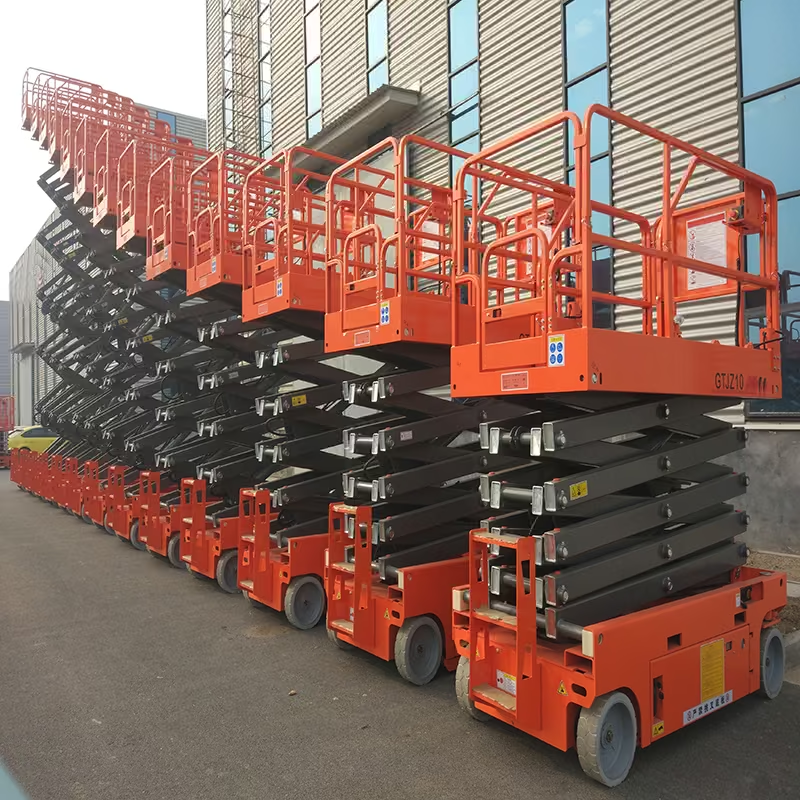
A hydraulic scissor lift is a type of aerial work platform characterized by its unique lifting mechanism. This mechanism consists of a series of interconnected, crisscrossing supports (the “scissors”) that expand and contract to raise and lower a platform. The power for this movement is provided by a hydraulic system.
Key Components:
- Platform: The work surface where personnel and materials are positioned.
- Scissor Arms: The interconnected, crisscrossing supports that provide vertical movement.
- Hydraulic Cylinders: These cylinders use hydraulic fluid under pressure to extend and retract, driving the scissor arms.
- Base Frame: The stable foundation of the lift, often equipped with wheels or casters for mobility.
- Power Unit: This unit houses the hydraulic pump, motor (electric, diesel, or dual fuel), and control valves.
- Control Panel: Allows operators to control the lift’s movements.
Types of Hydraulic Scissor Lifts:
Scissor lifts are categorized based on several factors, including mobility, power source, and application:
- Mobile vs. Stationary:
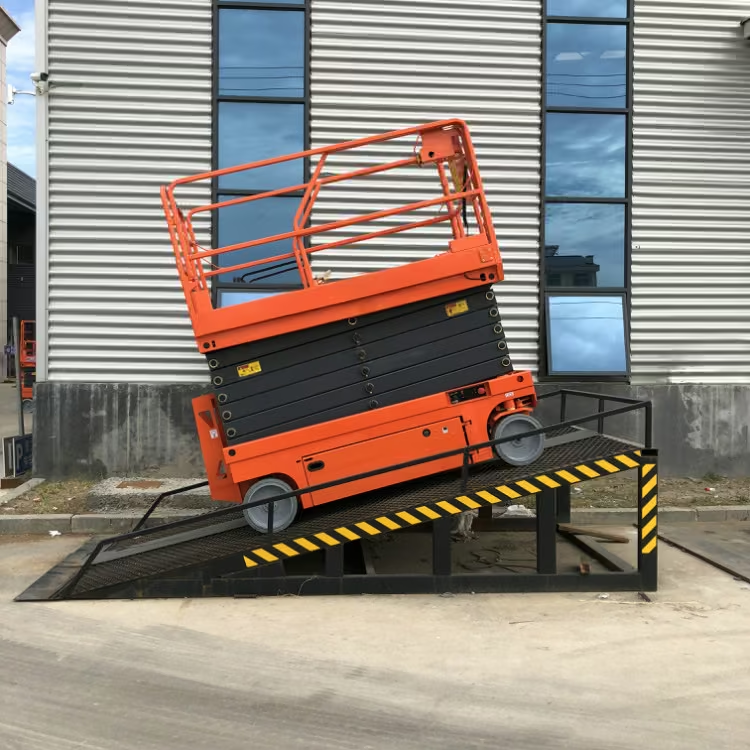
- Mobile Scissor Lifts: Designed for easy movement, these lifts can be manually pushed, self-propelled, or towed.
- Stationary Scissor Lifts: Permanently installed in a fixed location, often used in manufacturing or warehousing for specific tasks.
- Power Source:
- Electric Scissor Lifts: Powered by batteries, ideal for indoor use due to their quiet operation and zero emissions.
- Diesel Scissor Lifts: Powered by diesel engines, offering higher power for outdoor and heavy-duty applications.
- Dual Fuel Scissor Lifts: Offer the flexibility of operating on either gasoline or propane.
- Application-Specific Types:
- Rough Terrain Scissor Lifts: Designed for use on uneven outdoor terrain, featuring robust tires, four-wheel drive, and oscillating axles.
- Narrow Aisle Scissor Lifts: Compact design for maneuvering in tight spaces like warehouse aisles.
- Mini Scissor Lifts: Lightweight and compact for low-level access in confined areas.
- Self-Propelled Scissor Lifts: These lifts have integrated drive systems, allowing operators to move them without external assistance. They enhance efficiency and productivity on job sites.
Applications of Hydraulic Scissor Lifts:
- Construction: Used for various tasks, including installing drywall, painting, electrical work, and general maintenance.
- Maintenance: Providing access for repairs and maintenance in factories, warehouses, and other facilities.
- Warehousing and Logistics: Used for order picking, inventory management, and material handling.
- Retail: Used for stocking shelves, changing light bulbs, and other maintenance tasks.
- Aviation: Used for aircraft maintenance and repair.
- Event Setup: Used for stage setup, lighting, and sound system installation.
Advantages of Hydraulic Scissor Lifts:
- Stability: The scissor mechanism provides excellent stability, even at height.
- High Lifting Capacity: Hydraulic systems offer significant lifting power.
- Vertical Lifting: Designed for precise vertical movement.
- Large Platform Size: Can accommodate multiple workers and materials.
Safety Considerations:
- Pre-Operation Inspections: Essential to check for any damage, leaks, or malfunctions.
- Operator Training: Only trained and authorized personnel should operate scissor lifts.
- Work Area Inspection: Identify and mitigate potential hazards in the work environment.
- Load Limits: Never exceed the lift’s rated load capacity.
- Stabilizers and Outriggers: Use these features when necessary for added stability.
- Personal Protective Equipment (PPE): Wear appropriate PPE, including hard hats and safety harnesses.
- Safe Operating Practices: Avoid operating in high winds, maintain safe distances from obstacles, and never climb on the guardrails.
Choosing the Right Hydraulic Scissor Lift:
Selecting the right lift depends on several factors:
- Working Height: The maximum height required for the task.
- Lift Capacity: The total weight of personnel and materials.
- Platform Size: The required work area on the platform.
- Terrain: The ground conditions where the lift will be used.
- Power Source: Electric, diesel, or dual fuel.
- Maneuverability: The ability to move and position the lift in the work area.
- Budget: Cost of purchase or rental.
Maintenance:
Regular maintenance is crucial for ensuring the safe and reliable operation of hydraulic scissor lifts. This includes:
- Daily inspections
- Regular servicing by qualified technicians
- Hydraulic system maintenance (fluid checks, filter replacements)
- Inspection of structural components
Conclusion:
Hydraulic scissor lifts are essential tools in many industries, providing safe and efficient access to elevated work areas. By understanding their functionality, types, applications, safety considerations, and maintenance requirements, users can maximize their benefits while minimizing risks.